
Favorite Fire Restoration Solutions For Addressing Damage Quickly
Explore proven products that assist in removing soot, odors, and structural harm caused by fires.
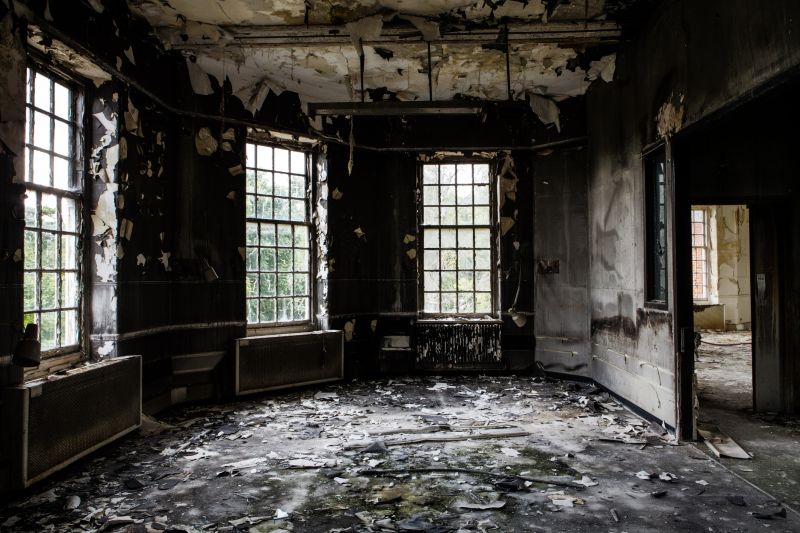 Fire restoration is a complex process that involves carefully addressing the damage caused by flames, heat, and smoke. Proper restoration requires a range of specialized products designed to clean, protect, and rebuild affected areas. From soot and smoke removers to structural repair tools, selecting the right equipment is essential for effective and safe restoration efforts. The process often begins with assessing the extent of damage, followed by thorough cleaning and deodorization to restore indoor air quality and surface integrity.
Top Overall Option
Multi-Purpose Fire Damage Cleaning Kit
A versatile kit that includes a range of cleaning agents, odor neutralizers, and protective gear designed for comprehensive fire damage cleanup. It provides essential tools for both professional restorers and dedicated homeowners, enabling effective removal of soot, smoke, and odors from various surfaces. The kit emphasizes safety and thoroughness, making it a valuable starting point for fire restoration projects.
Types of Products For Fire Restorations
Soot and Smoke Removers
Chemical solutions designed to break down and eliminate soot and smoke residues from surfaces and fabrics.
Odor Neutralizers
Products formulated to eliminate persistent smoke odors from indoor environments.
Fire-Resistant Drywall and Panels
Specialized drywall materials that resist heat and flames, aiding in structural safety.
Structural Repair Adhesives
High-strength adhesives for repairing and reinforcing damaged building components.
Air Scrubbers and HEPA Filters
Equipment used to filter out airborne soot, smoke particles, and contaminants during restoration.
Moisture Meters
Tools to assess moisture levels in walls, floors, and other materials to prevent mold growth.
Thermal Imaging Cameras
Devices that detect heat patterns and hidden hotspots within structures.
Fire-Resistant Coatings
Protective paints and coatings that provide additional fire resistance to surfaces.
Personal Protective Equipment
Gear such as masks, gloves, and suits designed to safeguard workers during cleanup.
Dehumidifiers
Equipment to control humidity levels and aid in drying out affected areas.
Cleaning Brushes and Scrapers
Tools for manual cleaning and removal of charred debris.
Fire Damage Restoration Software
Digital tools for planning, documenting, and managing restoration projects.
Popular Choices
Widely used for quick application on affected surfaces to reduce residues.
Popular for their ability to absorb and neutralize stubborn smoke odors.
Effective in improving indoor air quality during and after restoration work.
Commonly used in rebuilding efforts to enhance safety and fire resistance.
Preferred for wiping down surfaces contaminated with soot and ash.
Helpful in identifying hotspots that may pose further risks.
Used to clean greasy residues left by smoke and heat.
Tools and kits designed to evaluate the extent of damage efficiently.
Applied to seal cracks and joints in rebuilding projects for added safety.
Popular for applying disinfectants and deodorants evenly across surfaces.
Used to ventilate and dry out affected areas quickly.
Important safety devices during fire restoration to monitor air quality.
Restoration professionals and homeowners alike should understand the importance of using high-quality, appropriate products to prevent further damage and ensure safety. These products are formulated to handle various surfaces, including drywall, wood, upholstery, and HVAC systems. Additionally, equipment such as air scrubbers and moisture meters play a critical role in creating a safe environment during the restoration process.
Choosing the right products involves considering the specific needs of the damaged property, the severity of the fire, and the types of materials affected. Proper application and safety precautions are vital to achieving the best results. Whether dealing with minor smoke stains or extensive structural damage, having access to a comprehensive selection of reliable fire restoration products can make a significant difference in the outcome of the recovery process.
Key Buying Considerations
- Type of surface affected by fire and smoke residues.
- Severity and extent of fire damage to determine necessary products.
- Compatibility of cleaning agents with different materials like wood, drywall, or fabric.
- Safety features and certifications of products to ensure safe application.
- Ease of use and application methods suitable for both professionals and DIY homeowners.
- Effectiveness of odor neutralization, especially for stubborn smoke smells.
- Availability of replacement parts or refills for long-term use.
- Durability and resistance of fire-resistant materials for rebuilding efforts.
- Compatibility with existing tools and equipment used in restoration.
- Environmental conditions such as humidity and temperature during application.
- Budget considerations without compromising on essential safety and quality.
- Product storage requirements and shelf life.
- Customer reviews and ratings for reliability and performance.
- Manufacturer support and availability of technical assistance.
- Regulatory compliance and adherence to safety standards.