
Optimal Timing for Fire Restorations
Fire restorations are most effectively performed during specific times of the year when environmental conditions are optimal for cleanup and repairs. Typically, the late spring and early summer months offer the best conditions, as weather is generally dry and stable, facilitating thorough restoration work. Conducting fire restorations during these periods minimizes delays caused by adverse weather and allows for efficient drying and reconstruction processes.
Spring and early summer are ideal due to favorable weather conditions, reducing the risk of delays caused by rain or high humidity.
Dry, stable weather helps in effective cleaning, drying, and rebuilding, ensuring quality restoration outcomes.
High humidity and rain can hinder restoration efforts, leading to longer project durations and increased costs.
Scheduling during periods of low humidity and mild temperatures can improve safety and efficiency.
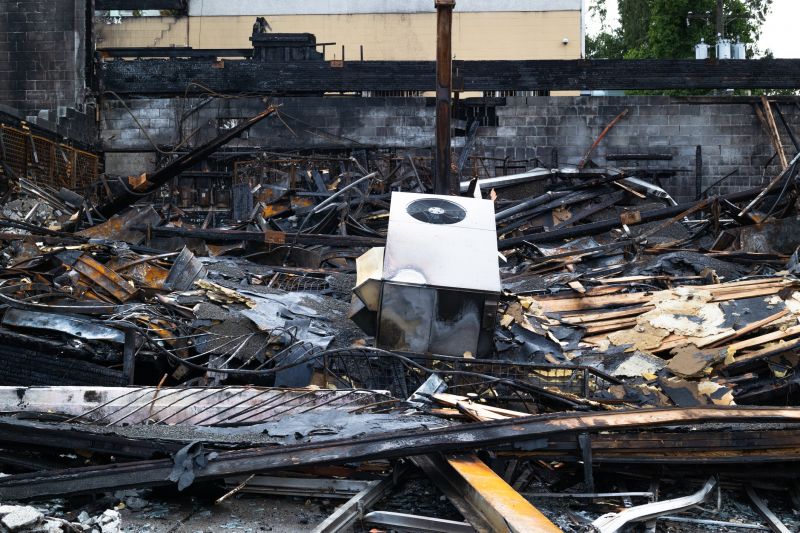
Restoration involves removing soot, smoke, and debris from affected areas.
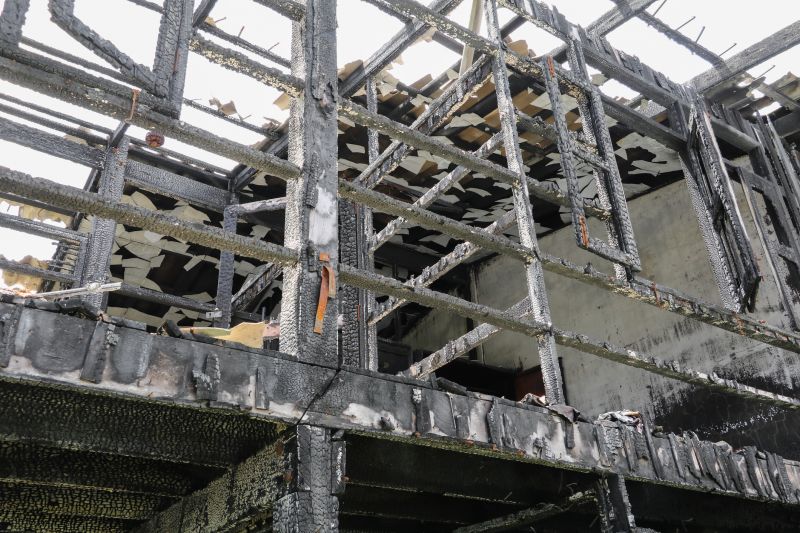
Rebuilding and repairing structural elements damaged by fire.
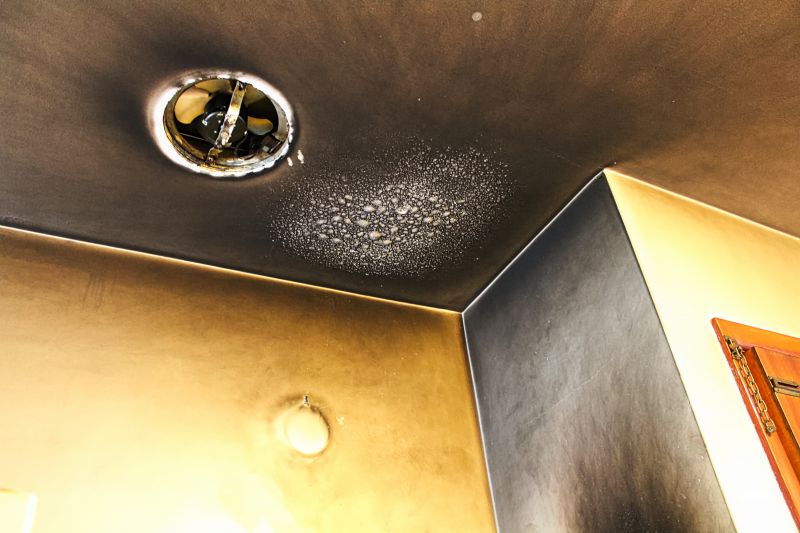
Techniques used to eliminate persistent smoke odors from interiors.
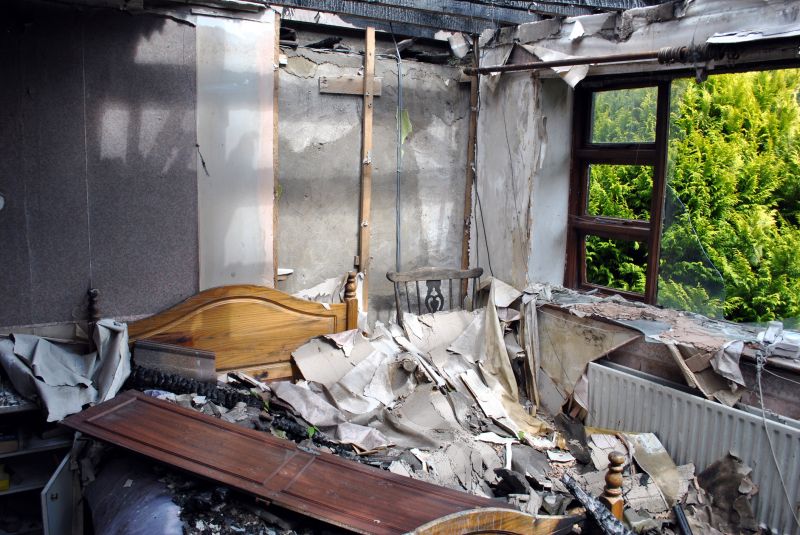
Ways to make Fire Restorations work in tight or awkward layouts.
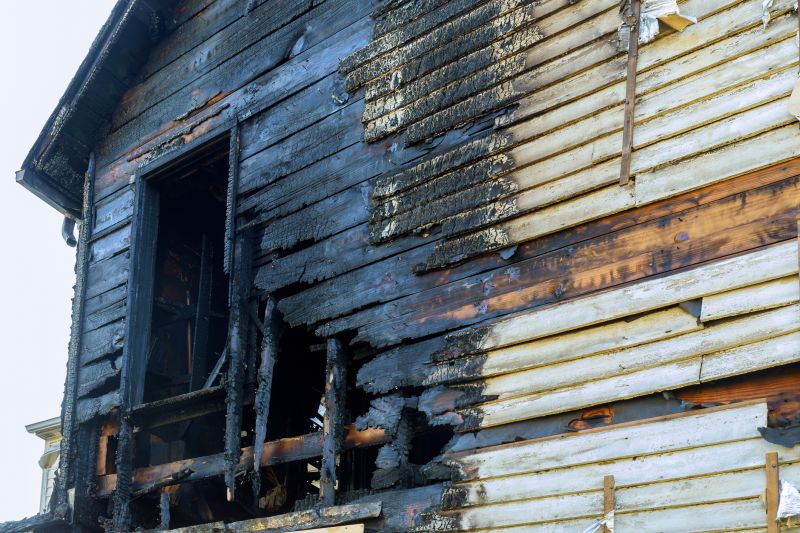
Popular materials for Fire Restorations and why they hold up over time.
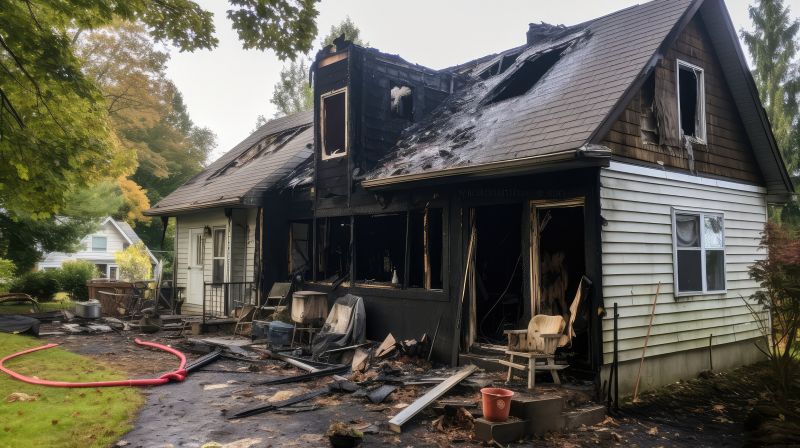
Simple add-ons that improve Fire Restorations without blowing the budget.
| Season | Advantages |
|---|---|
| Spring | Favorable weather, longer daylight hours, and moderate temperatures facilitate restoration work. |
| Summer | Dry conditions support quick drying and reconstruction processes. |
| Fall | Less humidity and fewer storms reduce delays. |
| Winter | Typically not ideal due to cold and wet conditions, which can hinder progress. |
Fire restorations require careful planning and execution to ensure safety and quality. The timing of these projects can significantly influence the duration and cost of repairs. It is important to consider weather patterns and environmental conditions to choose the most suitable period for restoration efforts. Proper scheduling during optimal seasons can lead to more efficient work, better results, and reduced risk of complications.
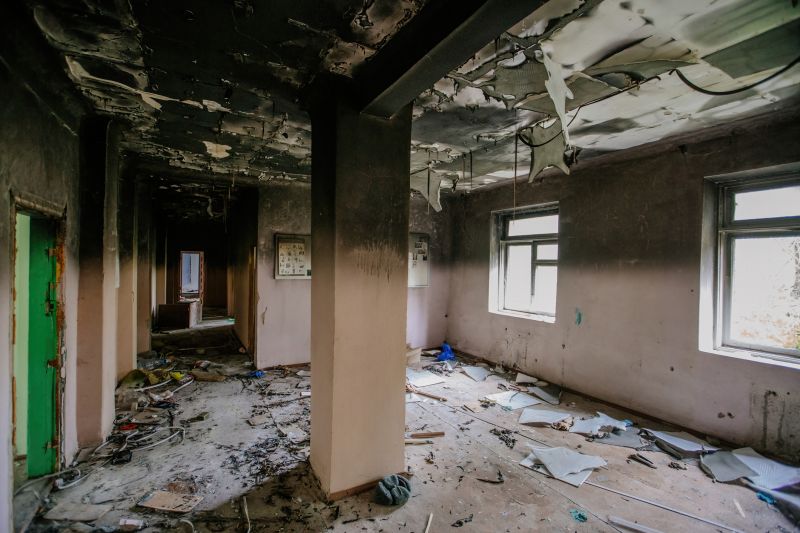
Initial evaluation to determine extent of damage and restoration needs.
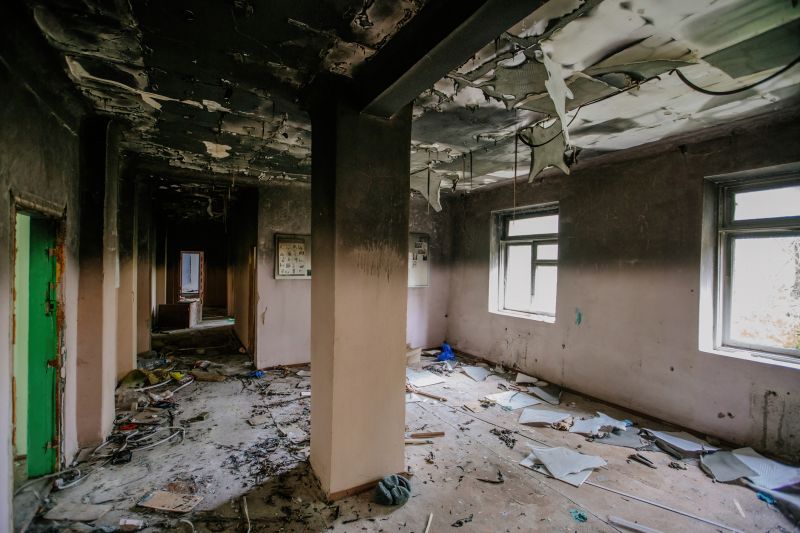
Removing soot, ash, and debris from affected areas.
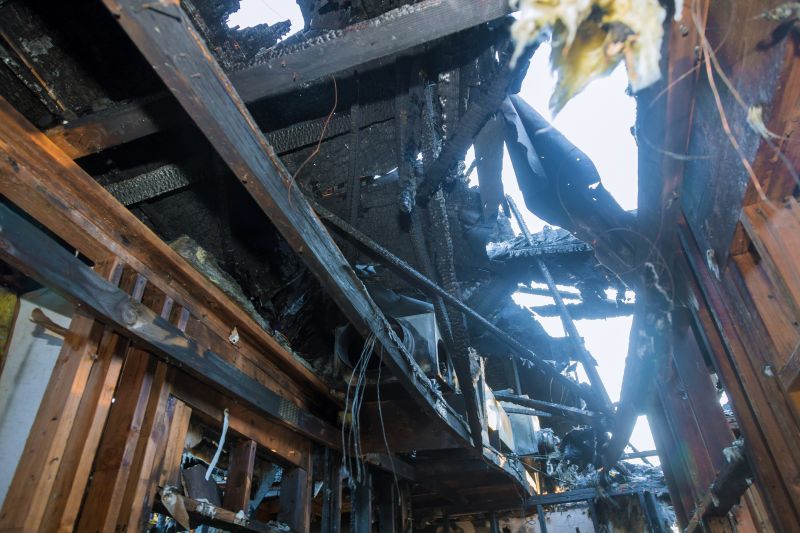
Reconstruction of damaged frameworks and interiors.
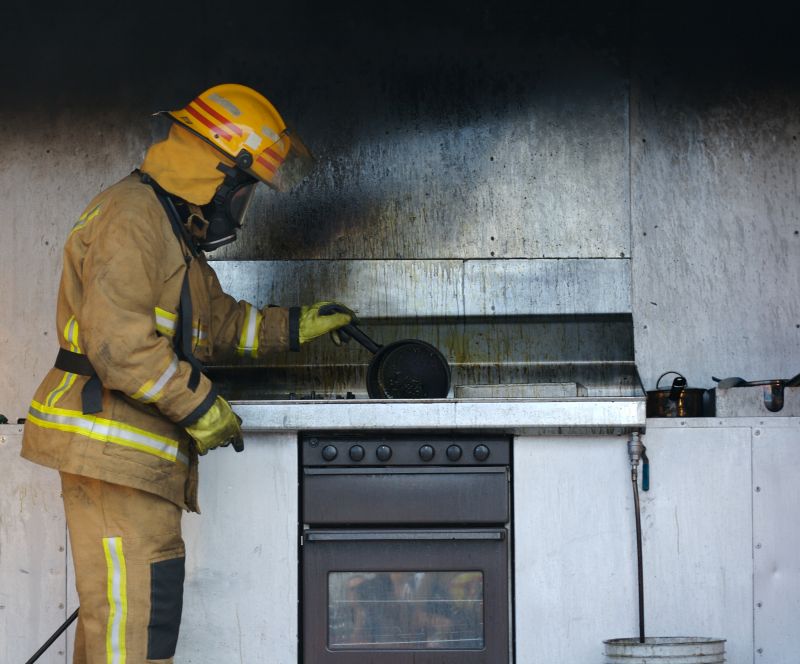
Applying specialized techniques to eliminate smoke odors.
Understanding the optimal timing for fire restorations is essential for achieving the best results. Proper scheduling, combined with expert assessment and execution, ensures that affected properties are restored efficiently and safely. If considering fire restoration services, it is advisable to contact professionals to discuss timing options and project planning.